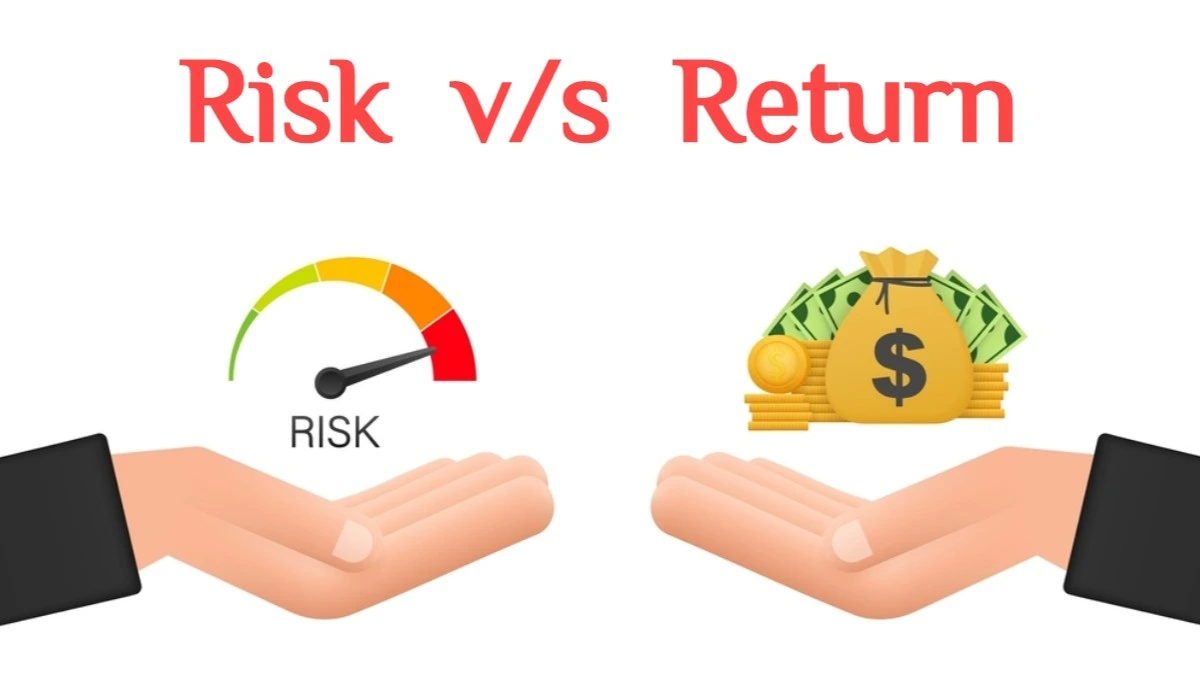
When you start investing, one of the most important concepts you will hear about is “Risk vs Return.”
Simply put, it means:
The higher the risk, the higher the potential return — and the higher the chance of loss.
Understanding this relationship helps you make better investment decisions and avoid unrealistic expectations.
In this article, we will explain what risk and return mean, how they are connected, types of investment risks, and how to balance risk and return wisely.
What Is Return?
Return is the money you earn from an investment.
Returns can come from:
- Increase in investment value (capital appreciation)
- Regular income (interest or dividends)
Example:
If you invest $1,000 and it grows to $1,100 in one year, your return is $100, or 10%.
What Is Risk?
Risk is the possibility that:
- You may earn less than expected
- You may lose part or all of your invested money
Every investment carries some level of risk. Even so-called “safe” investments have risks, such as inflation reducing purchasing power.
Why Risk and Return Are Connected
Investments with higher risk offer higher potential returns because investors demand compensation for taking extra risk.
- Low-risk investments offer stable but lower returns
- High-risk investments offer higher returns but can fluctuate widely
There is no investment that offers high returns with zero risk.
Types of Investment Risks
Risk vs Return in Different Investments
| Investment Type | Risk Level | Expected Return |
|---|---|---|
| Savings Account | Very Low | Very Low |
| Bonds | Low to Medium | Low to Medium |
| Mutual Funds | Medium | Medium to High |
| Stocks | High | High |
| Cryptocurrencies | Very High | Very High |
How Time Affects Risk and Return
Time plays a big role in managing risk.
- Short-term investing is riskier due to market fluctuations
- Long-term investing reduces risk and increases chances of positive returns
The longer you stay invested, the more likely you are to smooth out market volatility.
Risk Tolerance: Know Yourself
Risk tolerance is how much risk you can handle emotionally and financially.
Factors affecting risk tolerance:
- Age
- Income stability
- Financial goals
- Investment time horizon
A younger investor can usually take more risk than someone close to retirement.
How to Balance Risk and Return
1. Diversification
Investing in different assets reduces risk.
Example:
- Stocks + bonds + cash
2. Asset Allocation
Deciding how much money to invest in each asset type.
Higher equity allocation = higher risk and return
Higher bonds allocation = lower risk and return
3. Regular Investing
Investing regularly helps reduce timing risk and emotional decisions.
4. Stay Invested
Avoid reacting to short-term market movements. Long-term patience is key.
Common Myths About Risk and Return
| Myth | Reality |
|---|---|
| High-return investments are always risky | Higher returns often involve more risk, but smart diversification can help manage and reduce overall risk. |
| Low-risk investments mean no risk | Even low-risk investments face risks such as inflation and lost growth opportunities. |
| Risk should be avoided completely | Taking some level of risk is necessary to grow wealth over time. |
Risk vs Return for Beginners
If you are a beginner:
- Start with moderate-risk investments
- Focus on long-term goals
- Increase risk gradually as you gain experience
Avoid chasing high returns without understanding the risks involved.
Final Thoughts
Risk and return are two sides of the same coin. You cannot separate them.
The goal of investing is not to avoid risk completely, but to understand it, manage it, and take only as much risk as you can handle.
Successful investors are not those who take the highest risk, but those who balance risk and return wisely over time.
Leave a Comment